

Understanding Deceased Estate Clearance in Melbourne
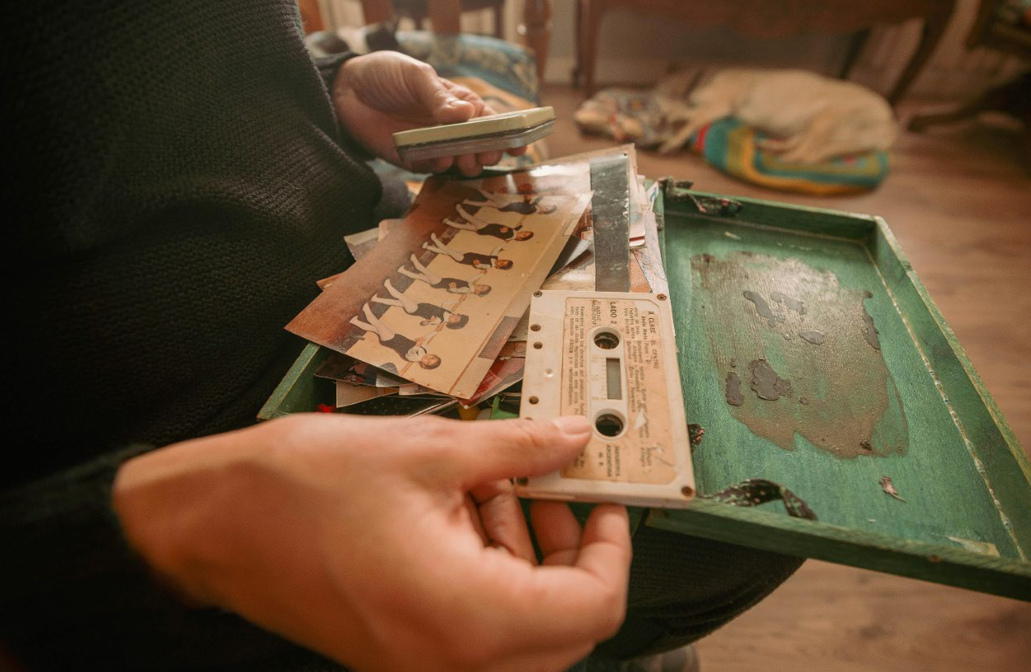
Handling a deceased estate can be a sensitive and overwhelming task. The process is called deceased estate clearance, which involves sorting through all their possessions and property left behind. It’s about respectfully handling personal belongings, from furniture and appliances to sentimental items and important documents.
The goal of estate clearance is to efficiently and sensitively prepare a property for its next phase, whether that’s sale, rental, or distribution among beneficiaries. This often requires a professional touch, especially when dealing with a large volume of items or when time is a factor. It is crucial to understand the valuation of house contents for probate. It’s not uncommon for properties, particularly older ones, to have accumulated a significant amount of possessions over many years, making the task of sorting and removal a substantial undertaking.
Here’s a look at what’s typically involved:
- Sorting and Assessment: Deciding what items are valuable, what can be donated, what needs to be recycled, and what is simply rubbish.
- Removal: Physically taking items out of the property.
- Disposal and Recycling: Ensuring items are disposed of responsibly, with a focus on recycling and donation where possible.
- Cleaning: Preparing the property for sale or handover.
Many people underestimate the sheer volume of items that can accumulate in a home over a lifetime. What might seem manageable at first glance can quickly become a significant logistical challenge.
Professional services in Melbourne are designed to take this burden off your shoulders. They bring experience and a structured approach to what can be an emotionally charged and physically demanding process. Their involvement can make a significant difference in how smoothly the estate is settled.
Factors Influencing Deceased Estate Clearance Costs
Size and Type of Property
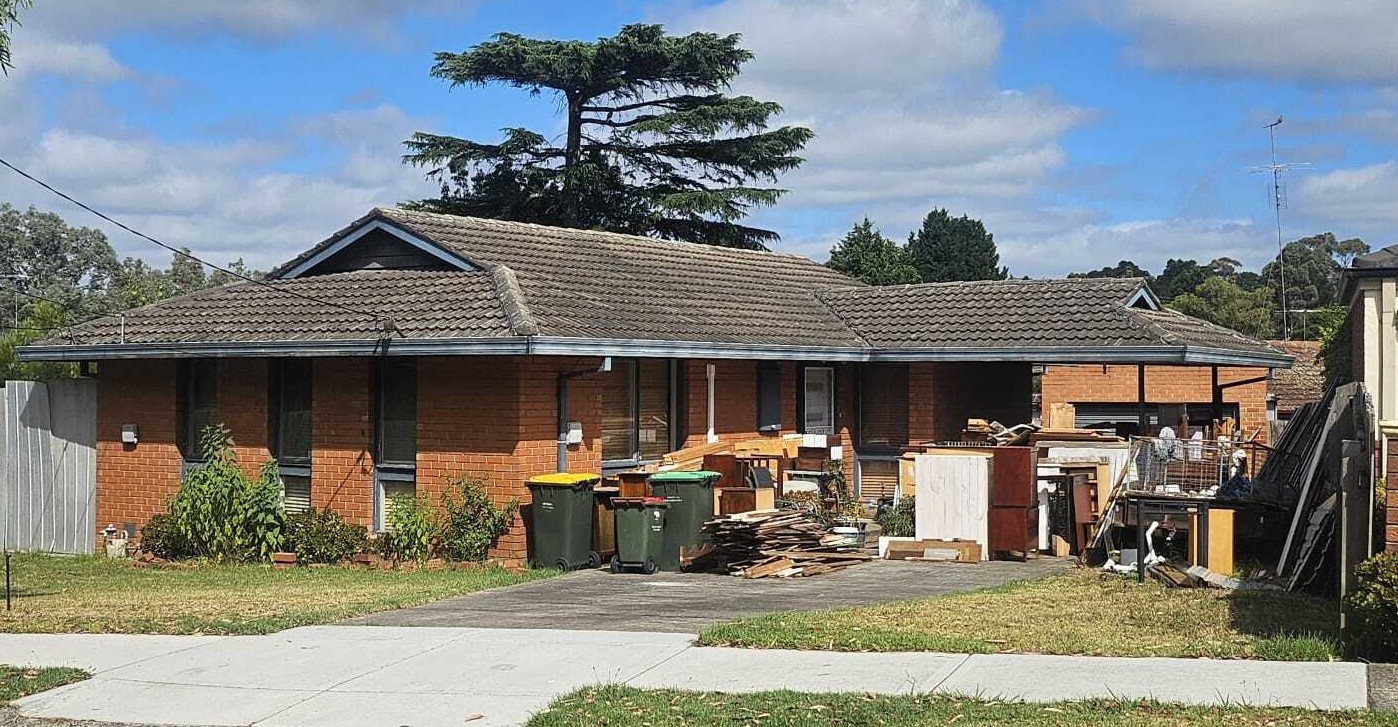
The physical dimensions of the property are a primary driver of clearance costs. A larger house naturally contains more items and requires more time and labour to clear than a small apartment or unit. Beyond just square metres, the type of property also plays a role. For instance, clearing a multi-storey home with difficult access points might incur higher labour costs compared to a single-level dwelling. Similarly, properties with extensive grounds, sheds, garages, or outbuildings will demand more attention and resources.
Volume and Type of Contents
This is perhaps the most significant variable. The sheer quantity of possessions within the estate directly impacts the time and effort needed for sorting, packing, and removal. A home filled with decades of accumulated belongings will naturally cost more to clear than one with minimal possessions. The type of items also matters. Are we dealing with mostly general household goods, or are there significant amounts of furniture, appliances, books, or even collections? Each category requires different handling and disposal methods. For example, the valuation of house contents for probate can be a complex task if there are many valuable or unique items.
Condition of the Estate
The general condition of the property and its contents can affect the clearance expenses. If the estate is well-maintained and items are in good condition, it might be easier to sort and potentially donate or sell items, which could offset some costs. However, if the property has been neglected, or if there are significant issues like water damage, mould, or pest infestations, this can complicate the clearance process. Remediation work might be necessary before items can be safely removed, adding to the overall expense.
Specialised Items and Hazardous Materials
Certain items require specialised handling and disposal, which will increase costs. This can include:
- Large or heavy items: Pianos, large safes, or industrial machinery.
- Hazardous materials: Chemicals, paints, asbestos, or old batteries.
- Medical equipment: Items that may have biohazard risks.
- Items requiring professional valuation: Antiques, art, or jewellery that need appraisal for probate or sale.
Disposal of hazardous materials, in particular, is strictly regulated and often involves higher fees to ensure safe and compliant removal. It’s always best to be upfront about any such items when seeking quotes.
Typical Costs Associated with Deceased Estate Clearance
Labour and Service Fees
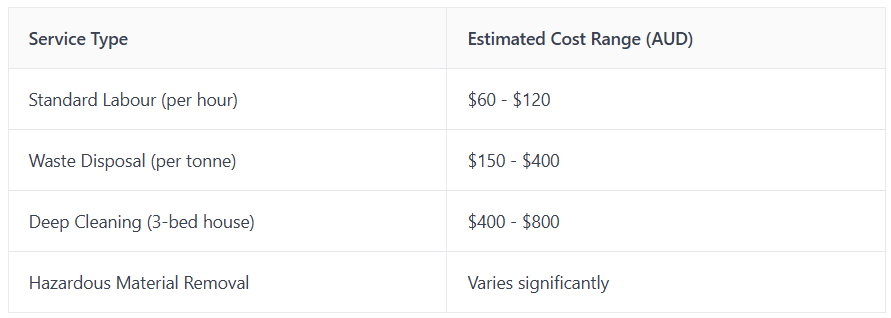
The primary cost in deceased estate clearance is often the labour involved. This covers the time and effort of the clearance team to sort, remove, and transport items from the property. The size of the property, the volume and type of contents, and the complexity of the sorting required all influence the labour hours needed. For instance, an estate with many floors, difficult access points, or a significant amount of heavy furniture will naturally require more time and personnel.
Service fees can also encompass the logistical aspects, such as the use of specialised equipment for heavy lifting, insurance for the clearance process, and the professional management of the entire operation. It’s important to understand that these fees are not just for physical removal but for the expertise and care taken throughout the process.
Disposal and Recycling Fees
Once items are removed from the property, they need to be disposed of or recycled responsibly. This is a significant cost component. Fees are typically charged based on the weight and volume of waste sent to landfill. However, professional clearance services aim to minimise landfill waste through recycling and donation.
- Recycling: Items like metals, plastics, and certain types of furniture can often be recycled, which may incur separate processing fees.
- Donation: While many charities accept donations, there might be a small fee for the collection and processing of these items by the clearance company.
- Hazardous Waste Disposal: Items such as old paints, chemicals, asbestos, or certain electronics require special handling and disposal procedures, which come with higher costs due to safety regulations and specialised facilities.
The cost of disposal is directly linked to the volume and nature of the items removed. A service that prioritises ethical disposal and recycling might have slightly different fee structures compared to one that focuses solely on removal.
Cleaning and Preparation Costs
Following the clearance of all items, the property often requires a thorough cleaning. This can range from a basic sweep-out to a deep clean, depending on the estate’s condition and the requirements for sale or handover. Costs for cleaning services can vary based on the size of the property and the level of cleaning required.
Additional preparation costs might include minor repairs, carpet cleaning, or even professional pest control if the property has been neglected. These services are often bundled into a comprehensive clearance package or can be added as separate services. The goal is to leave the property in a presentable state, ready for the next stage.
How to Get Accurate Quotes for Deceased Estate Clearance in Melbourne
Getting a clear picture of the costs involved in clearing a deceased estate in Melbourne is really important. It helps you plan and avoid any nasty surprises down the track. The best way to do this is by getting a few quotes from different service providers. Don’t just pick the first one you find; take a bit of time to compare.
When you contact a company, be ready to give them as much detail as possible. This usually means describing the property – like its size (number of bedrooms, bathrooms) and whether it’s a house, unit, or apartment. You’ll also need to give them an idea of the volume and type of items that need clearing. Are we talking about a few boxes, or a whole house full of furniture, appliances, and personal effects? The more information you can provide upfront, the more accurate their initial estimate will be.
The most reliable quotes come from on-site inspections. While some companies might offer a rough estimate over the phone or based on photos, nothing beats a professional coming to the property. This allows them to see the full scope of the work, assess any difficult access points, and identify any specialised items or potential hazards that might affect the price.
Here’s a good approach to getting quotes:
- Prepare a list of questions: Before you call, jot down what you want to know. Ask about their experience with deceased estates, their disposal and recycling policies, and what their service includes (e.g., sorting, cleaning).
- Request written quotes: Always ask for quotes to be provided in writing. This ensures clarity and provides a record of what was agreed upon.
- Compare apples with apples: Look closely at what each quote includes. Does one quote include cleaning while another doesn’t? Are disposal fees itemised separately?
- Ask about hidden costs: Clarify if there are any potential extra charges you should be aware of, such as for difficult-to-remove items or unexpected delays.
Getting multiple, detailed quotes is your best defence against unexpected expenses. It also gives you a chance to gauge the professionalism and communication style of each company, which is vital during such a sensitive time.
Tips for Managing Deceased Estate Clearance Costs
Managing the costs associated with clearing a deceased estate in Melbourne requires a thoughtful approach. It’s not just about hiring a service; it’s about making informed decisions that respect both the deceased’s belongings and your budget.
Firstly, get multiple quotes from reputable clearance companies. Don’t settle for the first one you find. Ask for a detailed breakdown of what each quote includes – labour, disposal fees, any sorting or cleaning. This transparency is key to comparing apples with apples and avoiding hidden charges. Look for companies with specific experience in deceased estates, as they often have more efficient processes.
Consider the volume and type of items you need cleared. If there are many valuable items, explore options for selling them before the clearance. This could involve auctions, private sales, or consignment. Even smaller items, like antique books or collectables, can sometimes add up. A professional appraiser can help identify potential treasures that might offset clearance costs.
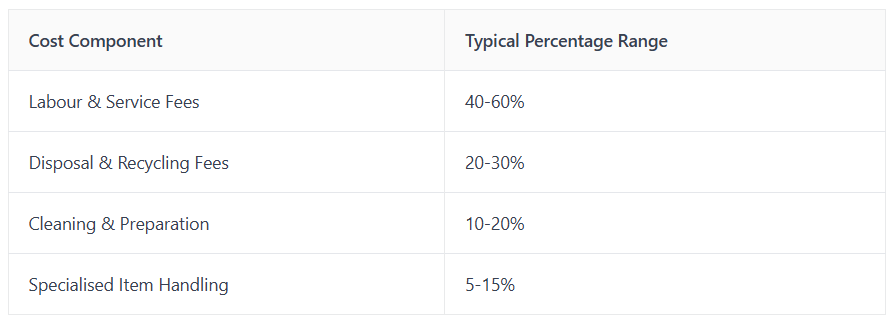
Here’s a general idea of how costs can be allocated:
Think about the condition of the items. Items in good condition can often be donated to charities, which can sometimes be factored into the service or even provide a small tax deduction. Companies that prioritise recycling and donation over landfill can also be more cost-effective and environmentally responsible. Always ask about their sustainability practices.
Don’t underestimate the value of sorting items yourself, if time and emotional capacity allow. Removing personal documents or items of significant sentimental value before the main clearance can reduce the overall time and labour required by the professionals. This also gives you a chance to connect with the belongings on your own terms.
Be wary of services that offer a flat rate without a proper assessment. While convenient, it can lead to unexpected charges if the scope of work is larger than initially estimated. A thorough inspection, whether in person or via detailed photos and video, is the best way to secure an accurate quote.
Wrapping Up: Making Estate Clearance Manageable
So, we’ve looked at what goes into clearing out a deceased estate here in Melbourne, and yeah, it’s a lot to think about. From the actual work of sorting and removing items to the costs involved, it can feel pretty overwhelming. But remember, you don’t have to go through it all alone. Professional services are there to help take the pressure off, handling the heavy lifting and the tricky bits with care. Getting a clear idea of the potential costs upfront, like we’ve discussed, helps you plan and avoid nasty surprises. It’s all about making this difficult time a little bit easier for you and your family.